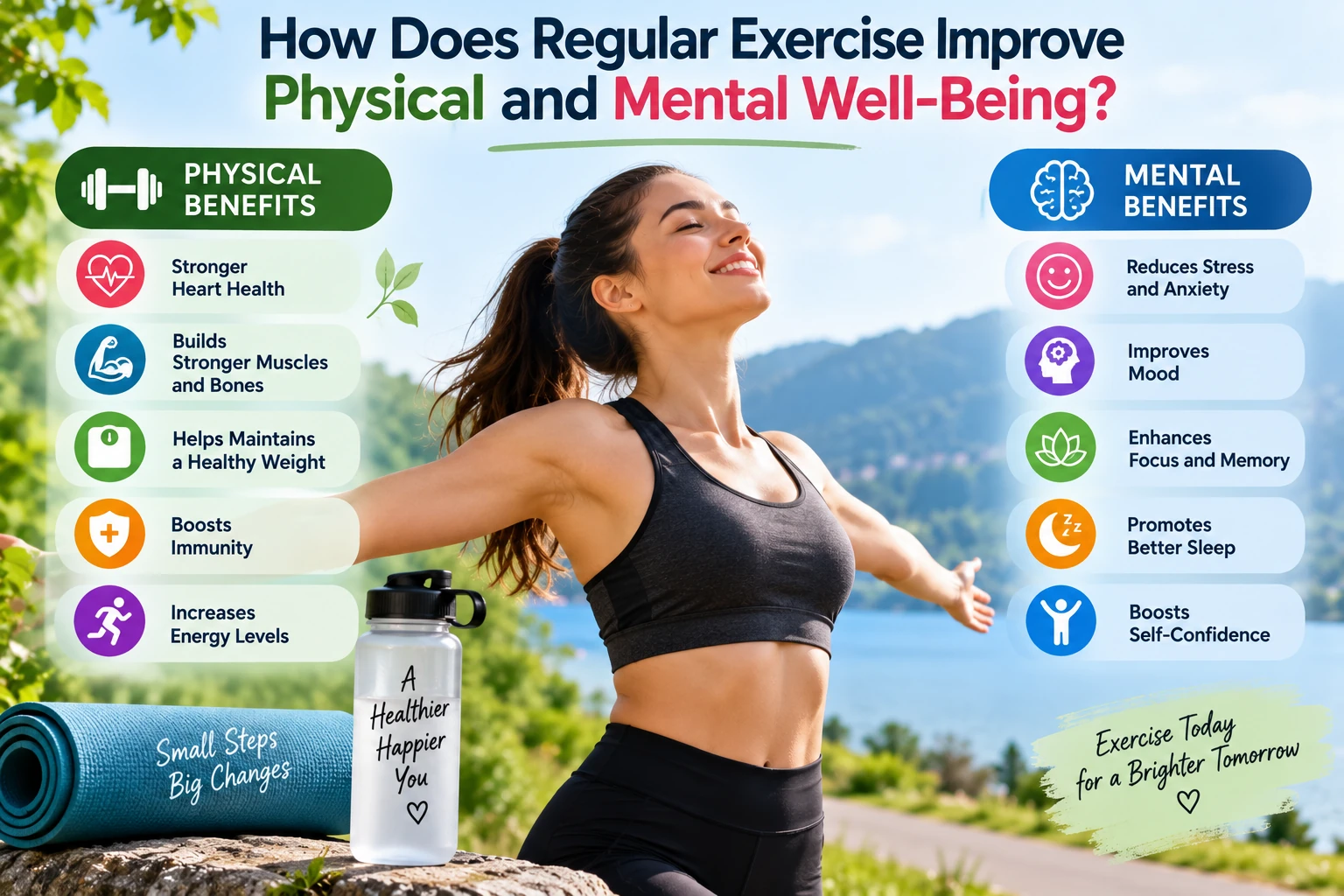
Regular exercise is one of the simplest and most effective ways to support overall health. Physical activity does much more than help people maintain a healthy weight. It strengthens the heart, muscles, and bones while also supporting better sleep, improved mood, and greater mental resilience. Exercise does not necessarily require an intense workout or expensive equipment. Walking, cycling, swimming, stretching, dancing, and other enjoyable activities can all contribute to a healthier lifestyle when practiced consistently.
Supports Heart and Cardiovascular Health
One of the most important benefits of regular exercise is its positive effect on the cardiovascular system. Activities such as brisk walking, jogging, cycling, and swimming can strengthen the heart and improve circulation. A stronger heart can pump blood more efficiently throughout the body, helping deliver oxygen and nutrients to tissues.
Regular movement can also support healthy blood pressure and cholesterol levels. Combining physical activity with nutritious food, adequate rest, and other healthy habits can help reduce several risk factors associated with cardiovascular problems.
Helps Build Stronger Muscles and Bones
Exercise plays an important role in maintaining physical strength. Resistance activities such as bodyweight exercises, weight training, and certain forms of yoga can help develop and maintain muscle strength.
Weight-bearing activities can also support bone health. This is particularly important as people age because maintaining strong muscles and bones can help with balance, mobility, and independence. Regular physical activity can make everyday tasks such as climbing stairs, carrying groceries, or walking longer distances easier.
Helps Maintain a Healthy Weight
Exercise increases the amount of energy the body uses. When combined with a balanced diet, regular physical activity can help people manage their weight and maintain a healthy body composition.
However, exercise should not be viewed only as a method for losing weight. Its benefits extend to cardiovascular fitness, strength, flexibility, mobility, and mental well-being. Focusing on becoming stronger and more active can create healthier and more sustainable habits than concentrating solely on the number on a weighing scale.
Improves Mood and Emotional Well-Being
The benefits of exercise are not limited to the body. Physical activity can have a noticeable influence on mood. During and after exercise, the body undergoes physiological changes that can promote feelings of well-being and relaxation.
A regular workout routine can provide a healthy break from work, household responsibilities, and daily pressures. Even a short walk outdoors can provide an opportunity to clear the mind and reconnect with the surroundings.
Exercise may also help people develop greater confidence. Reaching small fitness goals, becoming stronger, or simply maintaining a consistent routine can create a sense of achievement.
Helps Manage Everyday Stress
Modern lifestyles can involve long working hours, constant notifications, academic pressure, financial concerns, and many other sources of stress. Regular physical activity offers a constructive way to manage some of this tension.
Activities such as walking, running, swimming, or stretching can provide time away from screens and stressful environments. Exercise can also encourage people to establish a routine, which may create a greater sense of structure in daily life.
Supports Better Sleep
Good-quality sleep is essential for physical recovery and emotional balance. Regular daytime physical activity can support healthier sleep patterns for many people. Exercise may help the body feel naturally ready for rest while also providing an opportunity to release accumulated tension.
The timing and intensity of exercise can vary from person to person. People who notice that vigorous exercise close to bedtime affects their sleep may prefer exercising earlier in the day.
Supports Healthy Aging
Staying physically active throughout life can help preserve mobility and independence. As people grow older, maintaining strength, balance, flexibility, and cardiovascular fitness becomes increasingly important.
Simple activities such as walking, stretching, light resistance training, and balance exercises can become valuable parts of an active lifestyle. Regular movement can make everyday activities easier and encourage people to remain engaged with family, work, hobbies, and their communities.
Creating an Exercise Routine That Lasts
The best exercise routine is one that can be maintained consistently. People do not need to begin with demanding workouts. Starting with manageable activities and gradually increasing duration or intensity can make exercise easier to incorporate into everyday life.
Choosing enjoyable activities can also improve consistency. Someone who dislikes running might prefer dancing, cycling, swimming, sports, or long walks. Setting realistic goals and allowing enough time for recovery can make physical activity feel like a normal part of life rather than a temporary challenge.
Conclusion
Regular exercise benefits both physical and mental well-being. It can support cardiovascular fitness, muscle and bone strength, healthy weight management, better sleep, stress management, and a more positive mood. The key is consistency rather than perfection. By choosing enjoyable activities and making movement part of everyday life, people can build habits that support their health for years to come.